Labrador Retrievers are one of the most beloved dog breeds, known for their friendly nature, loyalty, and energetic spirit. As a responsible Labrador owner, it’s crucial to maintain your dog’s coat, nails, ears, and overall hygiene to ensure their health, comfort, and happiness. While professional groomers can handle certain tasks, learning how to groom your Labrador at home can save you time and money, and strengthen the bond between you and your furry friend. In this comprehensive guide, we’ll provide you with detailed information on the tools, techniques, and tips for keeping your Labrador looking and feeling their best.
Essential Grooming Tools for Your Labrador
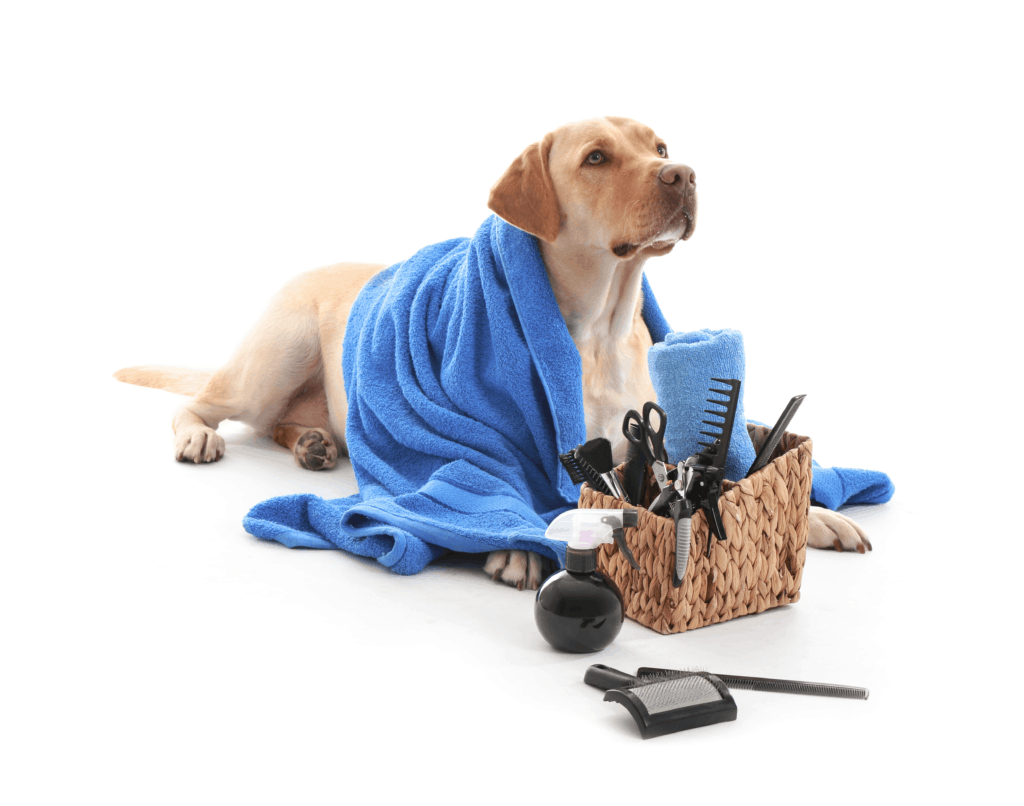
To effectively groom your Labrador at home, you’ll need the following tools:
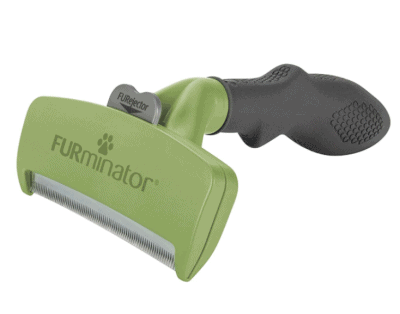
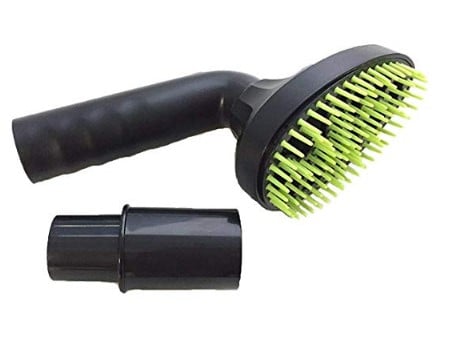
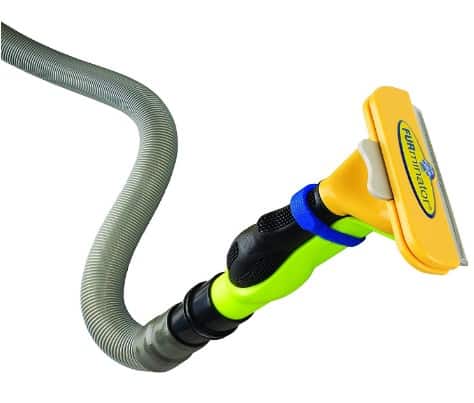
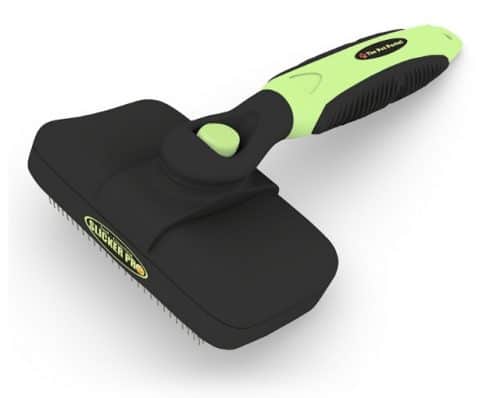
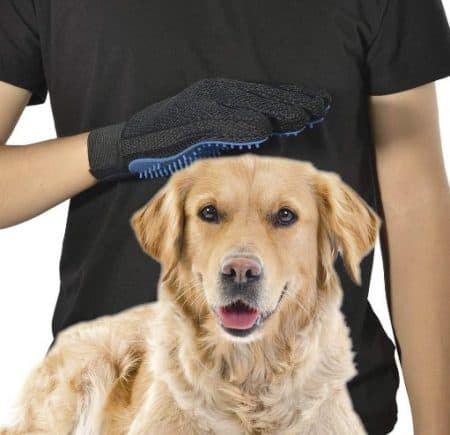
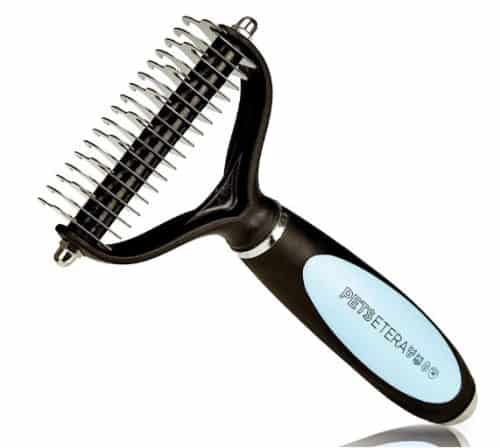
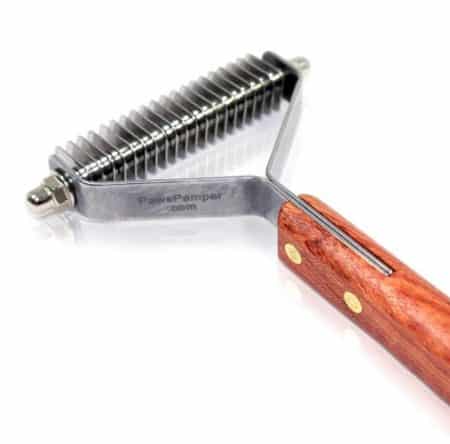
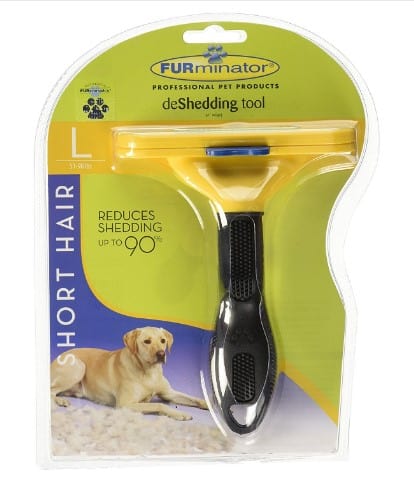
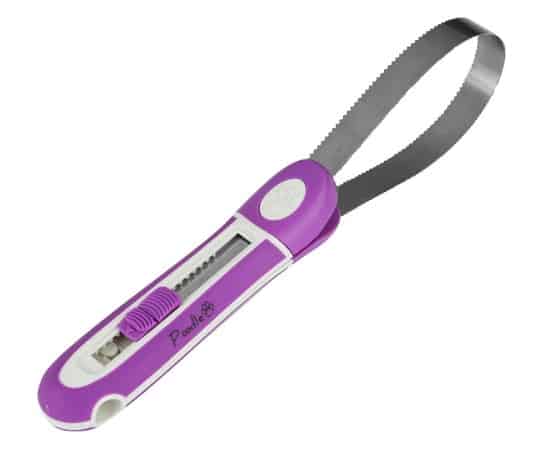
- Sturdy brush: Choose a slicker brush or de-shedding tool that can penetrate your Lab’s dense double coat and remove loose hair. Look for a brush that’s easy to clean and comfortable to use.
- Nail trimmers and clotting powder: Invest in high-quality nail trimmers specifically designed for dogs. Clotting powder is essential to have on hand in case you accidentally cut your dog’s nails too short and they start bleeding.
- Ear cleaner and cotton balls or gauze: Use an ear cleaner specifically formulated for dogs to clean your Labrador’s ears regularly and prevent infections. Cotton balls or gauze are gentle and effective for applying the ear cleaner.
- Washcloth and warm water: Keep a clean washcloth and warm water nearby during grooming sessions to clean your Labrador’s body, especially after brushing or if they get dirty.
- Dog toothbrush and toothpaste: Maintain your Labrador’s oral hygiene by brushing their teeth daily with a dog-specific toothbrush and toothpaste. If daily brushing isn’t possible, use dog teeth-cleaning wipes as an alternative.
- Dog-specific shampoo and towels: Choose a high-quality dog shampoo that is gentle on your Labrador’s skin and coat. Avoid using human shampoo, as it can disrupt the natural pH balance of your dog’s skin. Have plenty of clean towels on hand for drying your Lab after bathing.
- Treats for positive reinforcement: Reward your Labrador with treats throughout the grooming process to make the experience positive and enjoyable. This will help them associate grooming with good things and make future sessions easier.
Brushing Your Labrador’s Coat: Techniques and Frequency
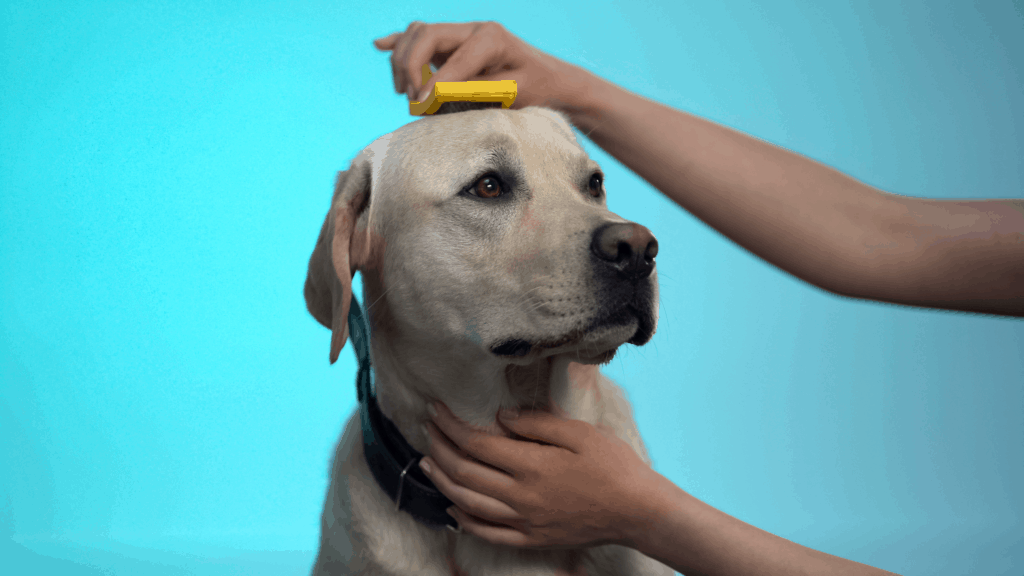
Regular brushing is essential for maintaining your Labrador’s dense double coat and preventing mats and tangles. Follow these steps to brush your Lab effectively:
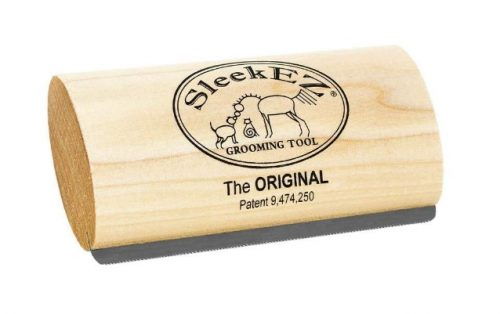
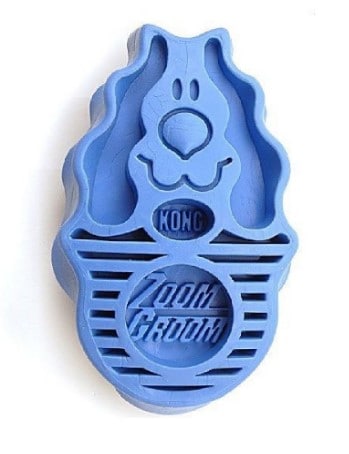
- Choose the right brush: Opt for a sturdy brush like a slicker brush or de-shedding tool that can penetrate your Lab’s thick coat and remove loose hair. Look for a brush with a comfortable handle and easy-to-clean bristles.
- Brush frequently: Brush your Labrador at least 2-3 times a week, or daily during heavy shedding seasons, such as spring and fall. Regular brushing helps distribute natural oils throughout the coat, promoting a healthy and shiny appearance.
- Use the correct technique: Start brushing at your Lab’s head and work your way down the body, following the direction of hair growth. Use short, gentle strokes, and avoid pressing too hard on the skin. Be extra gentle in areas with thinner fur, like the belly and inner thighs.
- Focus on problem areas: Pay extra attention to areas prone to matting, such as behind the ears, under the collar, and on the hind legs. Use a detangling spray or conditioner to help work through any knots or tangles.
- Remove loose fur: After each brushing session, use your fingers or a wide-toothed comb to gently remove any loose fur from the brush. This will help keep the brush clean and effective for future use.
Bathing Your Labrador: Tips and Tricks
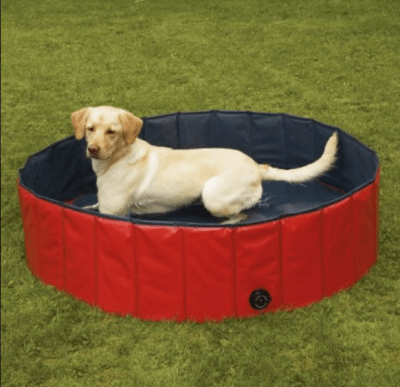
Labradors generally only need a bath every 1-3 months or as needed when they get dirty. Keep these tips in mind when bathing your Lab:
- Use a dog-specific shampoo: Choose a gentle, dog-specific shampoo that won’t strip your Lab’s coat of its natural oils. Look for shampoos with natural ingredients and avoid those with harsh chemicals or fragrances.
- Brush before bathing: Brush your Labrador thoroughly before the bath to remove any mats, tangles, or loose fur. This will make the bathing process easier and help the shampoo penetrate the coat more effectively.
- Avoid getting soap in their eyes and ears: Be careful not to get shampoo or water in your Lab’s eyes and ears during the bath. Use a damp washcloth or cotton ball to clean around their face and eyes, and place cotton balls in their ears to prevent water from entering the ear canal.
- Rinse thoroughly: Make sure to rinse your Labrador’s coat thoroughly with lukewarm water until no shampoo residue remains. Leftover shampoo can cause skin irritation and dryness.
- Provide positive reinforcement: Throughout the bathing process, offer your Labrador plenty of praise and treats to make the experience positive and enjoyable. This will help them associate bath time with good things and make future baths less stressful.
Drying Your Labrador’s Coat: Techniques and Tools
After bathing, it’s essential to dry your Labrador’s coat completely to prevent skin irritation and odor. Here’s how:
- Use absorbent towels: Start by using a large, absorbent towel to gently blot and pat your Lab’s coat, removing as much excess water as possible. Avoid rubbing the coat, as this can cause matting and tangling.
- Blow dry on low heat: If you choose to use a blow dryer, set it to the lowest heat setting and hold it at least 6 inches away from your Lab’s skin. Keep the dryer moving to prevent overheating in any one area, and focus on drying the thickest parts of the coat first.
- Brush while drying: As you dry your Labrador’s coat, use a slicker brush or de-shedding tool to gently brush through the fur. This will help remove any remaining tangles and distribute the coat’s natural oils, resulting in a smoother, shinier appearance.
- Pay attention to hidden areas: Make sure to dry your Labrador’s coat thoroughly, especially in hard-to-reach areas like the belly, armpits, and between the toes. Leaving these areas damp can lead to skin irritation and the growth of bacteria or yeast.
- Use a drying jacket or towel: If your Labrador has a particularly thick coat or gets chilly easily, consider using a drying jacket or towel to help speed up the drying process and keep them warm.
Related Post: Are Labradors Retrievers Prone to Allergies?
Common Grooming Mistakes to Avoid
To ensure a safe and effective grooming experience for your Labrador, avoid these common mistakes:
- Overbathing: Bathing your Labrador too frequently can strip their coat of natural oils, leading to dry, itchy skin and a dull coat. Stick to bathing every 1-3 months or as needed when they get dirty.
- Using human shampoo: Human shampoo is formulated differently than dog shampoo and can disrupt your Lab’s skin pH balance, causing irritation and dryness. Always use a dog-specific shampoo.
- Neglecting ear and eye care: Failing to clean your Labrador’s ears and eyes regularly can lead to infections and discomfort. Use a dog-specific ear cleaner and a damp washcloth or cotton ball to gently clean these areas during grooming sessions.
- Cutting nails too short: Cutting your Lab’s nails too short can cause pain and bleeding. If you’re unsure about how to trim your dog’s nails properly, consider seeking the help of a professional groomer or veterinarian.
- Brushing too aggressively: Brushing your Labrador’s coat too aggressively or with the wrong type of brush can cause discomfort and even skin irritation. Always use gentle strokes and a brush appropriate for your Lab’s coat type.
Do Labradors need professional grooming?
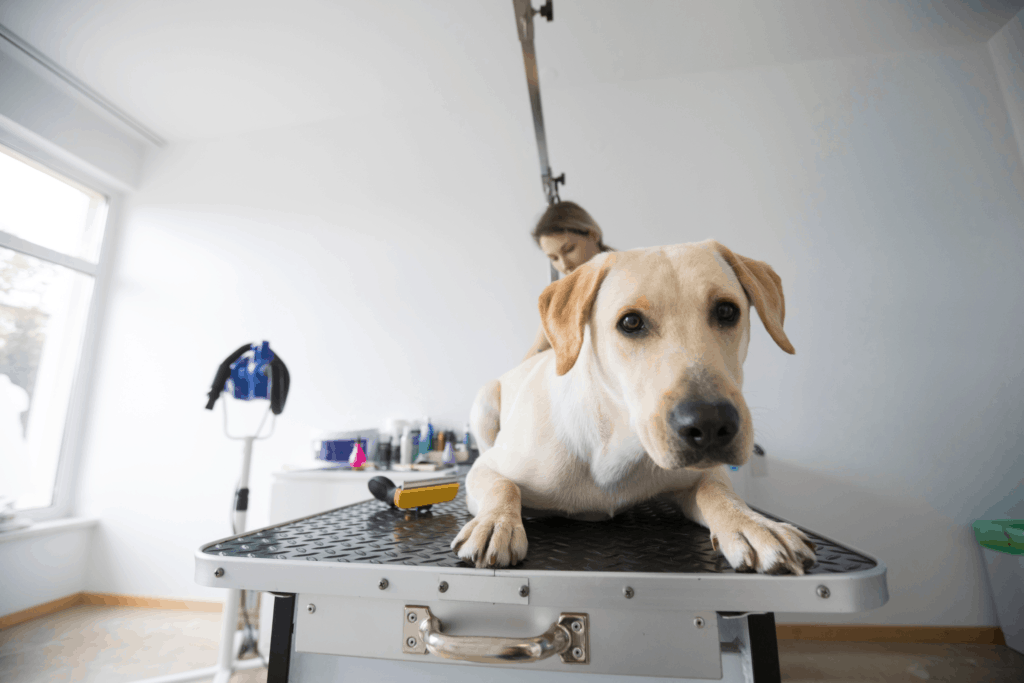
While you can handle most grooming tasks at home, some are best left to professional groomers, especially if you lack the necessary skills, tools, or confidence. A professional groomer can provide a thorough bath and nail-clipping session, ensuring your Labrador’s comfort and safety. Nail clipping can be particularly challenging for inexperienced owners, as improper technique can lead to pain and injury.
In addition to basic grooming services, many professional groomers offer comprehensive packages that include ear and eye cleaning. These services can help prevent infections and maintain your Labrador’s overall health. Another important aspect of grooming that many owners prefer to leave to professionals is anal gland expression.
Dogs can develop blockages and discomfort when the secretions in their anal glands build up, often leading to scooting behavior on the carpet. While some owners may choose to express their dog’s anal glands themselves with proper guidance, others understandably prefer to have a veterinarian or professional groomer handle this task to ensure their Labrador’s comfort and well-being.
When to Seek Professional Grooming Services
While you can handle most grooming tasks at home, some are best left to professional groomers:
- Nail trimming: If you’re uncomfortable trimming your Labrador’s nails or if they have black nails that make it difficult to see the quick, consider taking them to a professional groomer for nail care.
- Ear plucking: Some Labradors may need the hair inside their ear canals plucked to prevent ear infections. This is a delicate task that is best performed by a trained groomer.
- Anal gland expression: If your Labrador’s anal glands become impacted, they may need to be expressed manually. This is a task that should only be performed by a professional groomer or veterinarian.
- Removing severe mats and tangles: If your Labrador develops severe mats or tangles that you’re unable to remove with brushing and detangling spray, a professional groomer will have the tools and expertise to safely remove them without causing discomfort.
- Handling anxious or aggressive dogs: If your Labrador becomes anxious or aggressive during grooming, it may be safer and less stressful for everyone involved to have them groomed by a professional who is experienced in handling these behaviors.
Related Post: Labrador Retriever Shedding Problems and Solutions
Conclusion
Grooming your Labrador at home is a rewarding experience that not only keeps your furry friend looking and feeling their best but also strengthens the bond between you. By following the techniques, using the right tools, and keeping the tips from this guide in mind, you can maintain your Labrador’s coat, nails, ears, and overall hygiene effectively.
Remember to be patient, gentle, and positive throughout the grooming process, and don’t hesitate to seek professional help when needed. With regular home grooming and occasional visits to a professional groomer, your Labrador will enjoy a lifetime of health, comfort, and happiness by your side.
Related Post: Dog allergies: Are Labradors hypoallergenic?